


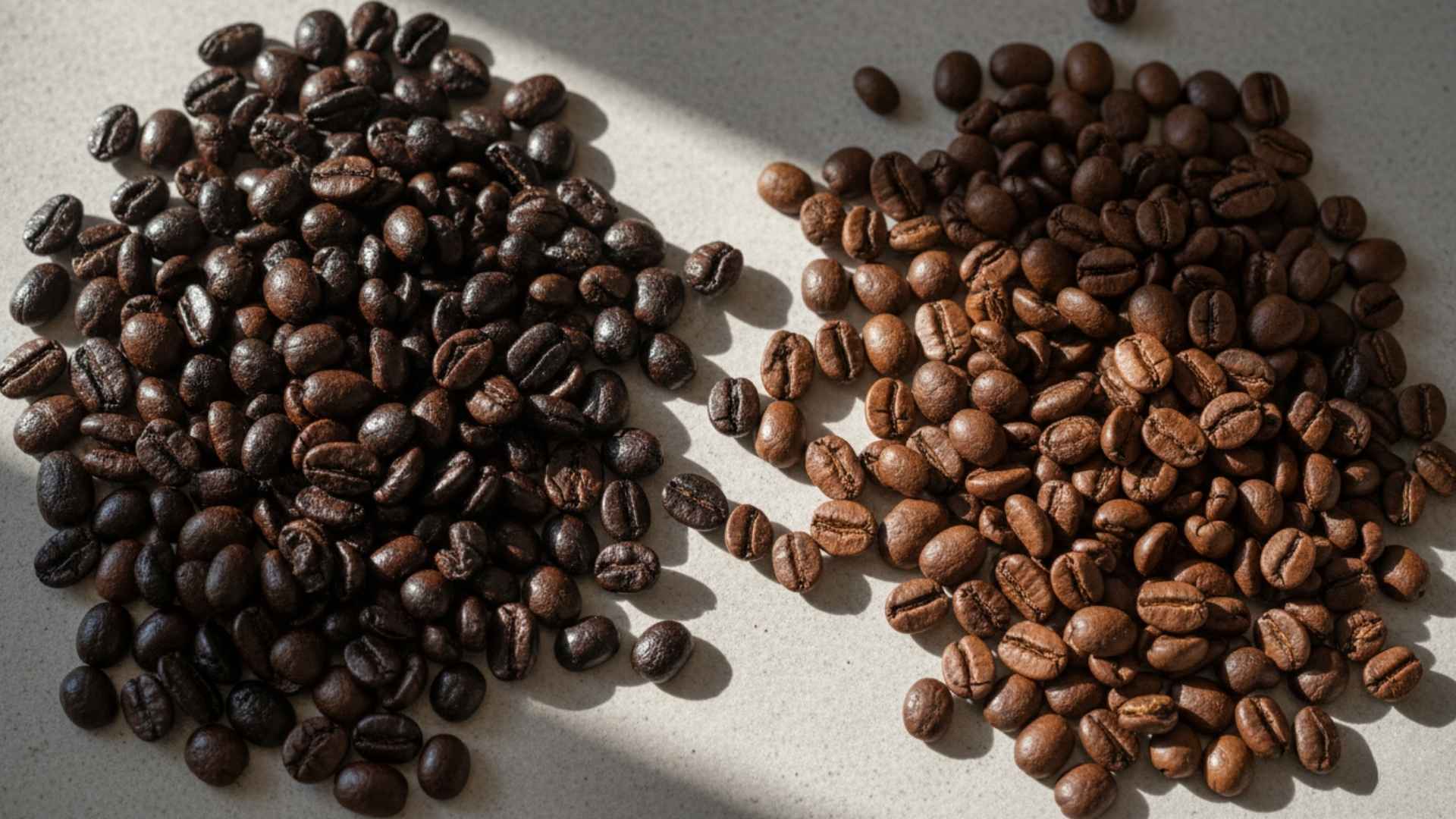
Specialty coffee vs. commercial coffee: real differences that do affect the taste
Not all coffee is the same, even if it seems that way.
For years, most people have consumed commercial coffee, so that flavor becomes the standard. But when you try well-brewed specialty coffee, the difference is not subtle. It's obvious.
One of the first differences can be noticed even before trying it.
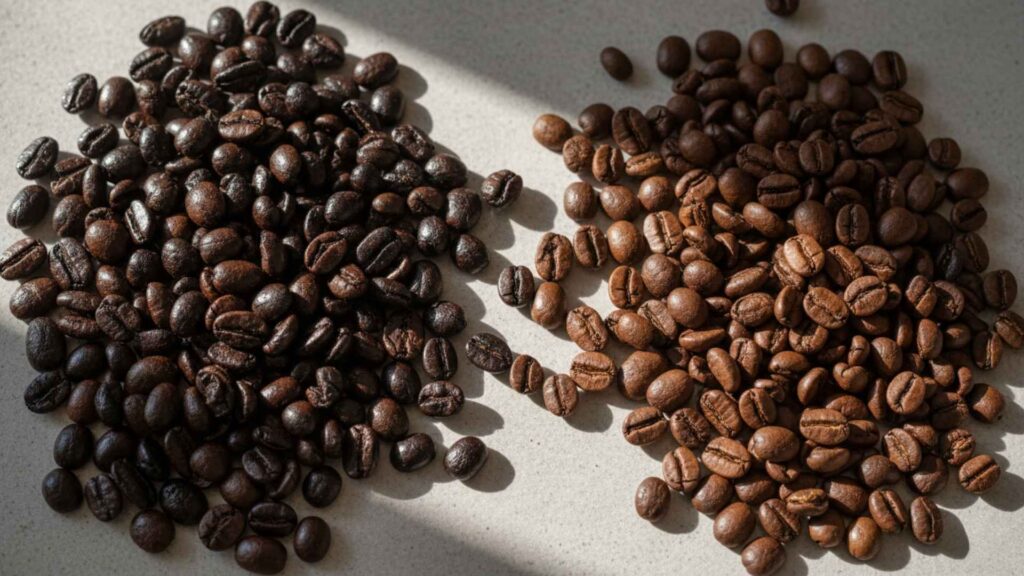
Definitions clue
Commercial coffee shop
Coffee produced on a large scale with a focus on volume and cost.
- Mixture of multiple origins
- Includes defective grains
- Without traceability
- Dark roast to hide flaws
Result: flat, bitter and poorly defined taste.
Specialty coffee
Coffee evaluated under technical standards, with more than 80 points.
- Rigorous selection
- Complete traceability
- Control throughout the entire process
- Defined profiles
Result: defined, clean and expressive profile in the cup.
Not clear on this concept? Review What is specialty coffee? The difference isn't marketing: it's selection, process, and the result in the cup.
Comparison direct
| Feature | Commercial coffee shop | Specialty coffee |
|---|---|---|
| Grain quality | Variable / Low | High and controlled |
| Defects | Allowed | Eliminated |
| Traceability | It doesn't exist. | Complete |
| Toast | Dark (hides flaws) | Designed according to profile |
| Flavor | Bitter, flat | Defined and clean |
Which one to choose?
If you prioritize price and habit
Commercial coffee is usually sufficient if you're used to darker, more intense, and more uniform flavor profiles. It's designed for high-volume production, where consistency matters more than origin or bean quality. Therefore, the flavor tends to be flatter and dominated by bitterness.
If you prioritize real flavor and quality
Specialty coffee makes sense when you're looking for more than just intensity. The goal here isn't to mask the flavor, but to enhance it.
- More defined profiles (chocolate, fruit, floral)
- Better balance in cup
- Less dominant bitterness
- Traceability from origin
The difference is noticeable from the first sip. The answer depends on what you're looking for in your coffee.
From the source to your cup: why Yeah there is a difference
When coffee is processed from the source, the difference depends not only on the roasting, but on the entire process. From cherry selection to drying and roasting, each stage directly influences the final result.
On farms like The Cabin, At Napo, this control allows for the development of clearer, more consistent, and more expressive cup profiles. Therefore, rather than choosing between "strong or mild," it makes more sense to choose according to the type of experience you're looking for.
Where to begin?
If you're looking for a balanced coffee for everyday use, with chocolatey notes and a more familiar profile, the Castillo Rosario It's a good starting point. If you prefer a more aromatic experience, with greater complexity and a floral profile, the Geisha It offers a distinct expression in a cup.
Castillo Rosario
Balanced and family-friendly, with a pleasant body and a chocolatey profile that's easy to enjoy in any way.
Geisha
Floral and complex, with greater aromatic expression and a delicate cup for those looking for something different.
If you're unsure which one to choose based on how you prepare your coffee, you can write to us and we'll guide you according to your method and preferences.
How can you tell the difference in your next mug?
The most direct way to understand the difference between specialty coffee and commercial coffee is to taste them under the same conditions. Use the same brewing method, the same temperature, and the same amount. What you'll notice first is the clarity in the cup: commercial coffee tends toward a lingering bitterness, while specialty coffee leaves a more defined and lasting flavor.
Pay attention to the aroma before brewing as well. A well-brewed specialty coffee smells different from the moment you open the package: more complex, with recognizable notes. Commercial coffee tends to smell generic.
You don't need to be an expert to notice the difference. You just need to try a well-made one at least once.
Still don't know which coffee to choose?
Tell us how you prepare your coffee and the flavor profile you prefer. We'll guide you with specific options based on your method and preferences.
WhatsApp consultationKeep Reading
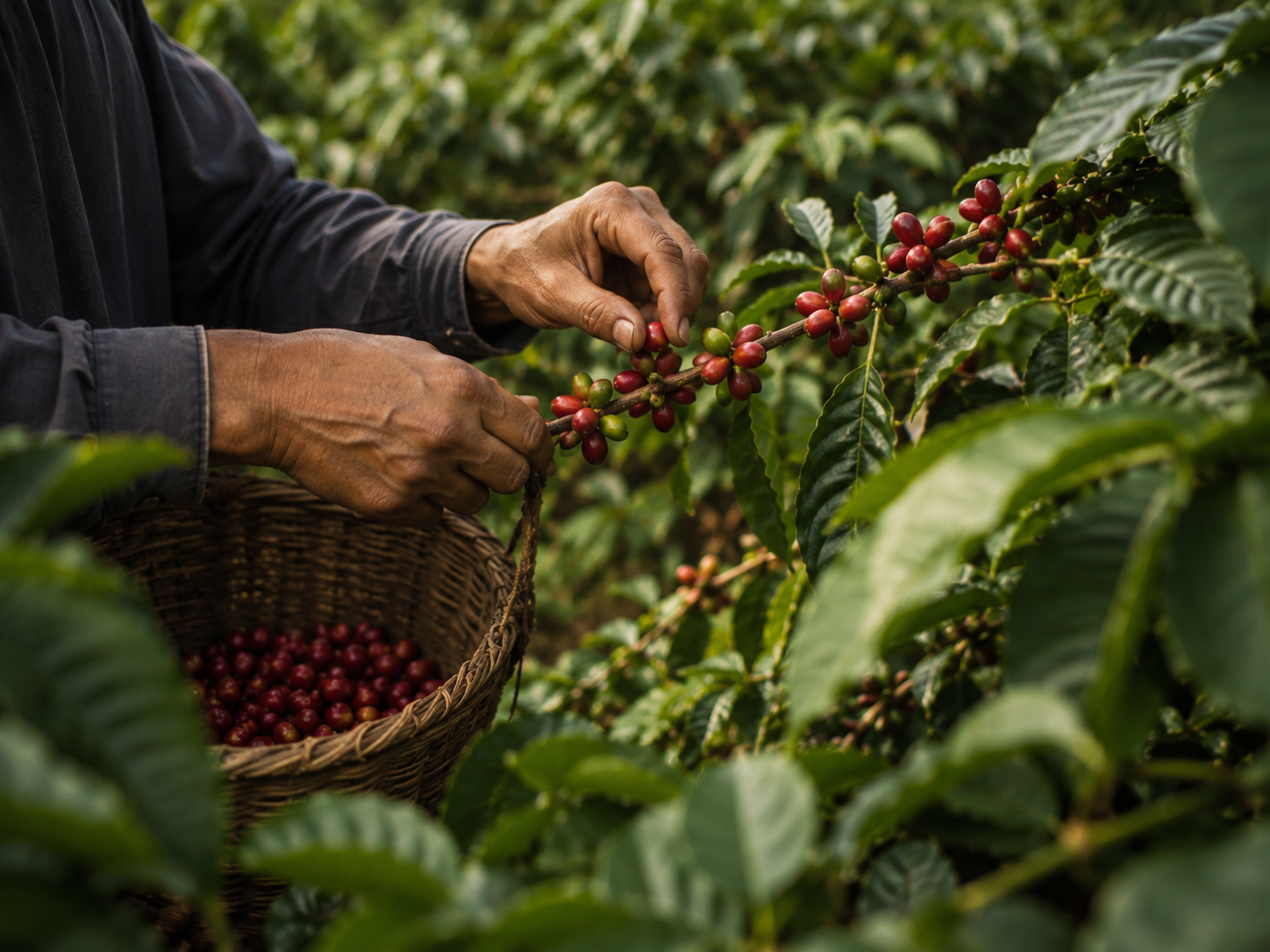
What does "specialty coffee" really mean?«
Beyond the label: traceability, SCA score and controlled processes that separate a specialty coffee from a commercial one.
Read more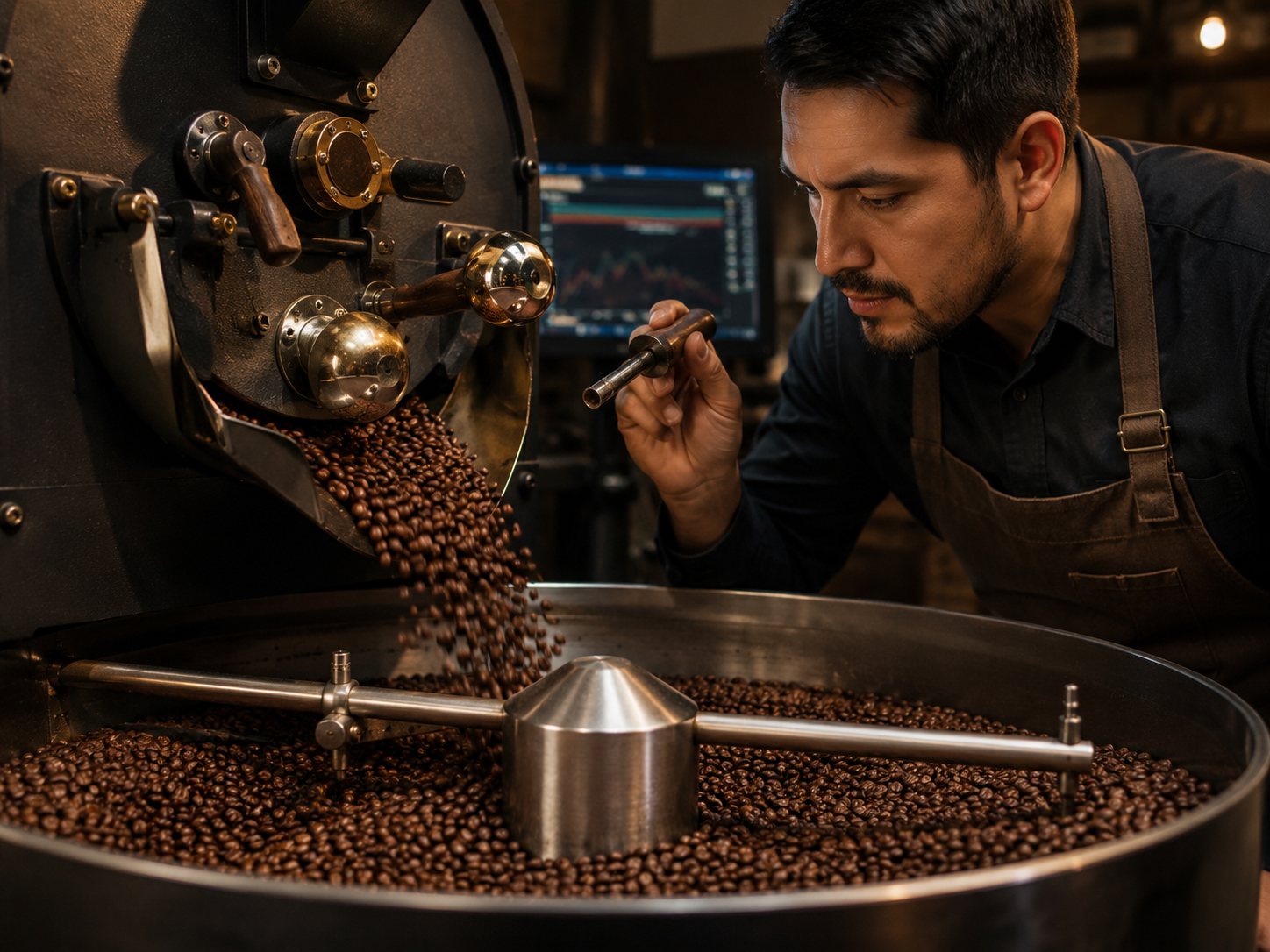
The roasting point and how it changes your cup
From light to medium roast: how each decision in the roaster reveals—or hides—the natural notes of the bean.
Read more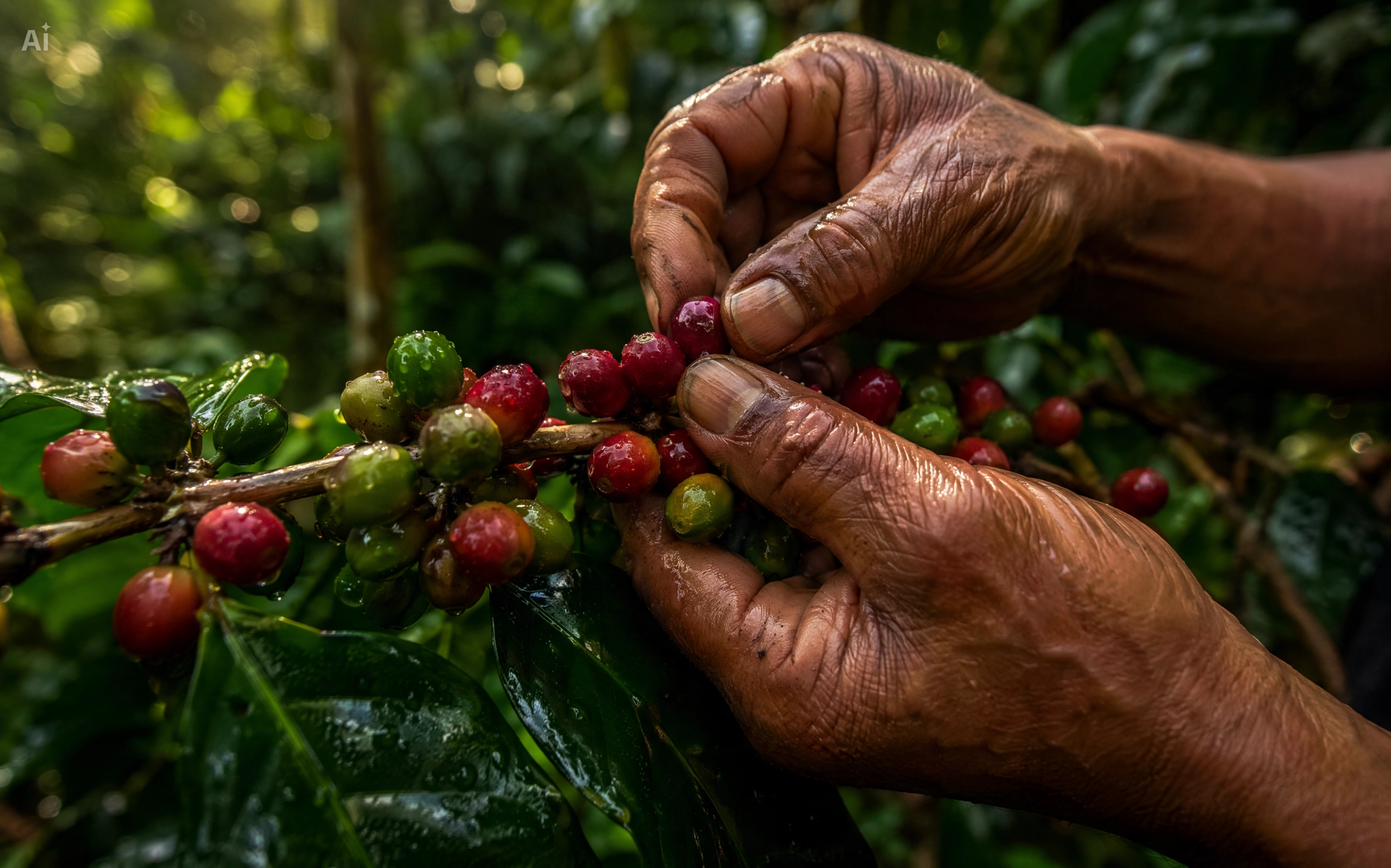
Geisha or Castillo Rosario: which is your profile?
Floral and delicate versus chocolatey and balanced. We help you choose according to your taste and the time of day.
Read more