
Best coffee in Ecuador: a complete guide to choosing real quality
Finding the best coffee in Ecuador isn't as simple as choosing a brand. Quality depends on the origin, the processing method, and the variety.
In this guide we explain how to identify a specialty coffee real and what you should look for before buying.
What is specialty coffee? in Ecuador?
Specialty coffee in Ecuador is that which obtains a score higher than 80 points on the Specialty Coffee Association (SCA) scale. Unlike commercial coffee, each cup has complete traceability: we know exactly which farm it grew on, at what altitude, and with what process.
Ecuador has unique conditions for producing it. Regions such as Napo, Pichincha and Loja They offer microclimates, altitude and humidity that generate exceptional sensory profiles —floral, chocolatey, fruity— that are difficult to find in other origins.
Buying specialty coffee in Ecuador not only guarantees better flavor, but also directly supports producers who work with sustainable practices from farm to cup.
What defines the best coffee in Ecuador?
The best coffee in Ecuador is defined by its traceability, cup quality, and consistency. Factors such as altitude, climate, and processing directly influence the sensory profile. Not all coffees meet these standards, so it's crucial to understand what you're buying.
Specialty coffee vs commercial coffee
Unlike commercial coffee, specialty coffee scores above 80 points in sensory evaluation. This guarantees better flavors, greater quality control, and a superior experience. While commercial coffee focuses on volume, specialty coffee prioritizes quality and precision at every stage.
Commercial coffee shop
- Mixture of multiple origins
- Includes defective grains
- Very dark roast to hide flaws
- Without traceability
Result: flat, bitter and inconsistent flavor.
Specialty coffee
- Rigorous selection
- Defined profiles
- Designed roast (not burnt)
- Clear origin
Result: clean, recognizable and consistent flavor.
If you want to delve deeper into this context, check out the guide to specialty coffee vs commercial coffee.
The origin: coffee from Napo, Ecuador
The Napo region in the Ecuadorian Amazon is one of the country's most interesting origins for specialty coffee. Its conditions are unique: altitudes between 800 and 1,800 meters, stable temperature, high humidity and volcanic soils that contribute minerals to the grain profile.
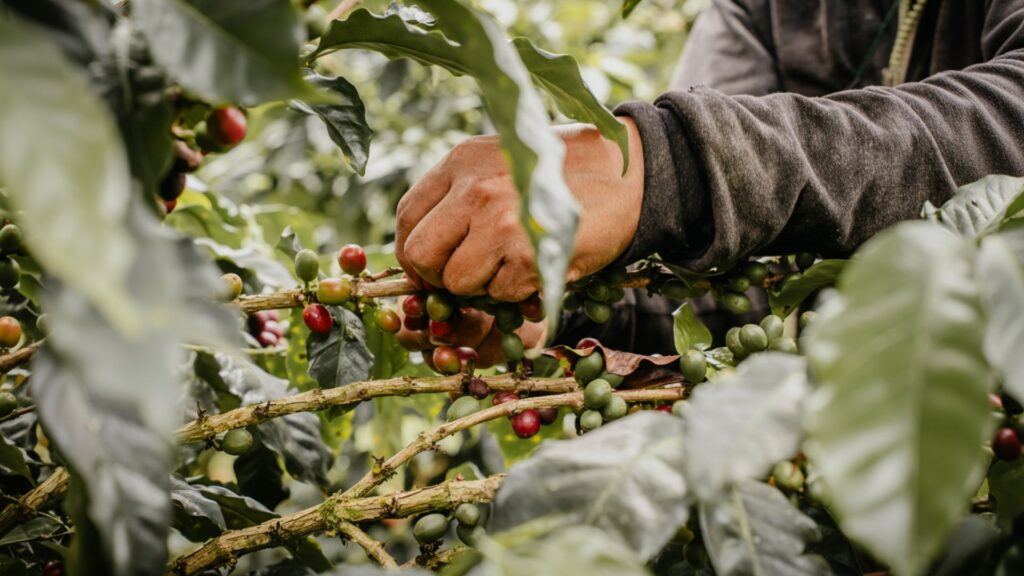
In Napo, there's no mass-produced coffee. The producers work on small family farms where everything is done by hand, from the selective harvesting of ripe cherries to the drying process. This translates directly into the cup: more complexity, more clarity, more character.
ISVAR Coffee Factory works directly with farms in Napo, controlling every stage of the process to ensure that what reaches your cup is real specialty coffee — with verifiable origin and consistent quality.
Featured varieties in Ecuador
Not all specialty coffees are the same. The choice depends on the profile you're looking for.
Castillo Rosario
A well-balanced variety with notes of chocolate and almond, and a gentle acidity. It has good body and a consistent cup, making it versatile for both espresso and filter brewing methods.
Geisha
Renowned for its delicate, highly complex floral profile. Clean cup with elegant aromas and bright acidity. Ideal for filter brewing methods.
How to choose the best coffee according to your method
Not all coffees perform equally well with every brewing method. Choosing the right coffee depends on the type of coffee you're looking for and the equipment you have.
- For espresso: Look for coffees with good body and sweetness, like Castillo Rosario.
- For filters: cleaner and more complex profiles like Geisha.
- For immersion methods: balanced coffees that maintain smoothness and structure.
Real traceability, direct from the farm
At ISVAR Coffee Factory, we work directly from our farm in Napo, controlling every stage of the process. This guarantees quality, freshness, and consistency in every cup. Explore our available varieties or contact us for personalized advice based on your brewing method.
Keep Reading
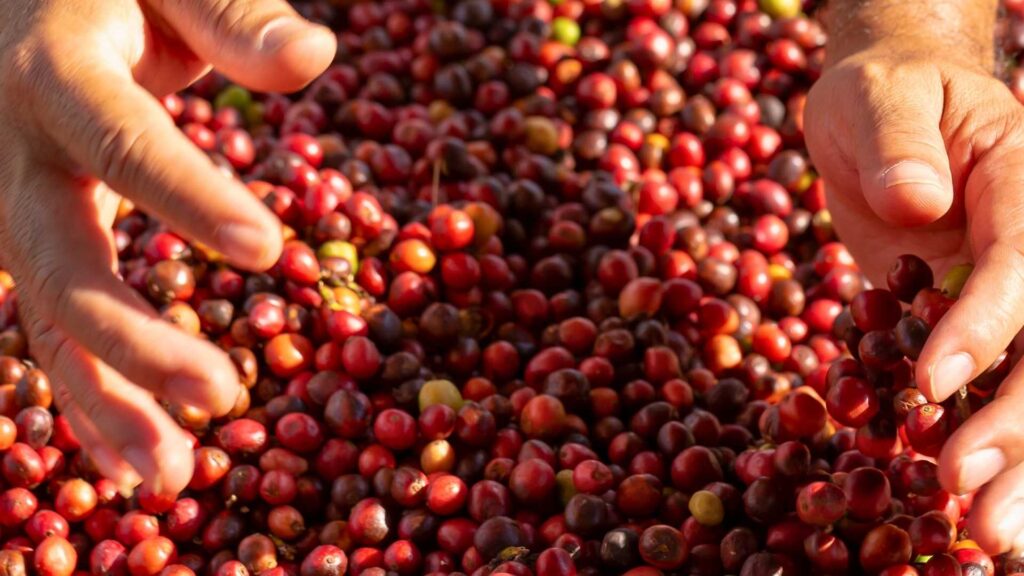
What is specialty coffee and how to easily recognize it
The SCA standard, traceability, and process that separate a real specialty coffee from a common one.
Read more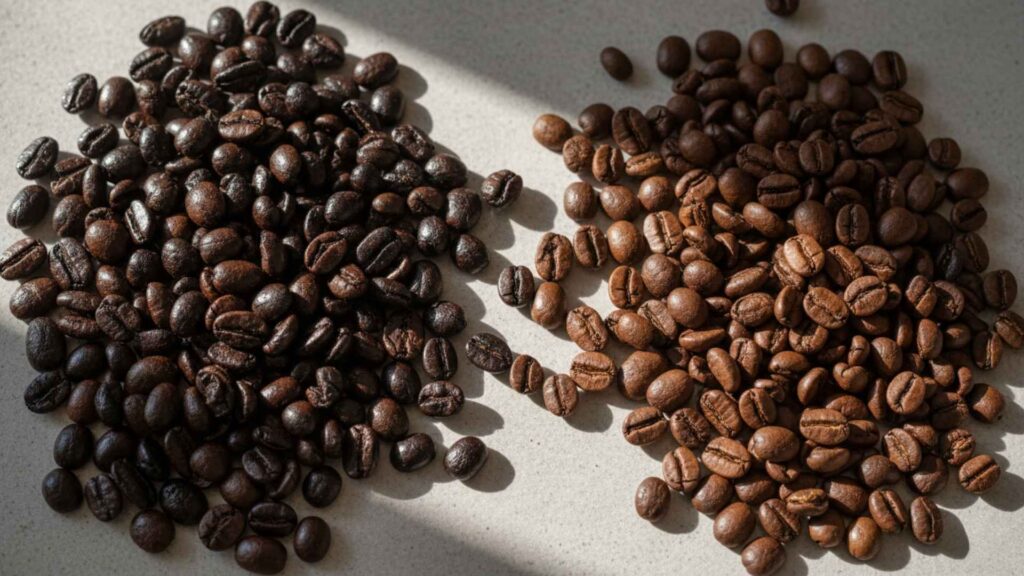
Specialty coffee vs. commercial coffee
The real differences that do affect the flavor: selection, traceability, roasting, and cup result.
Read more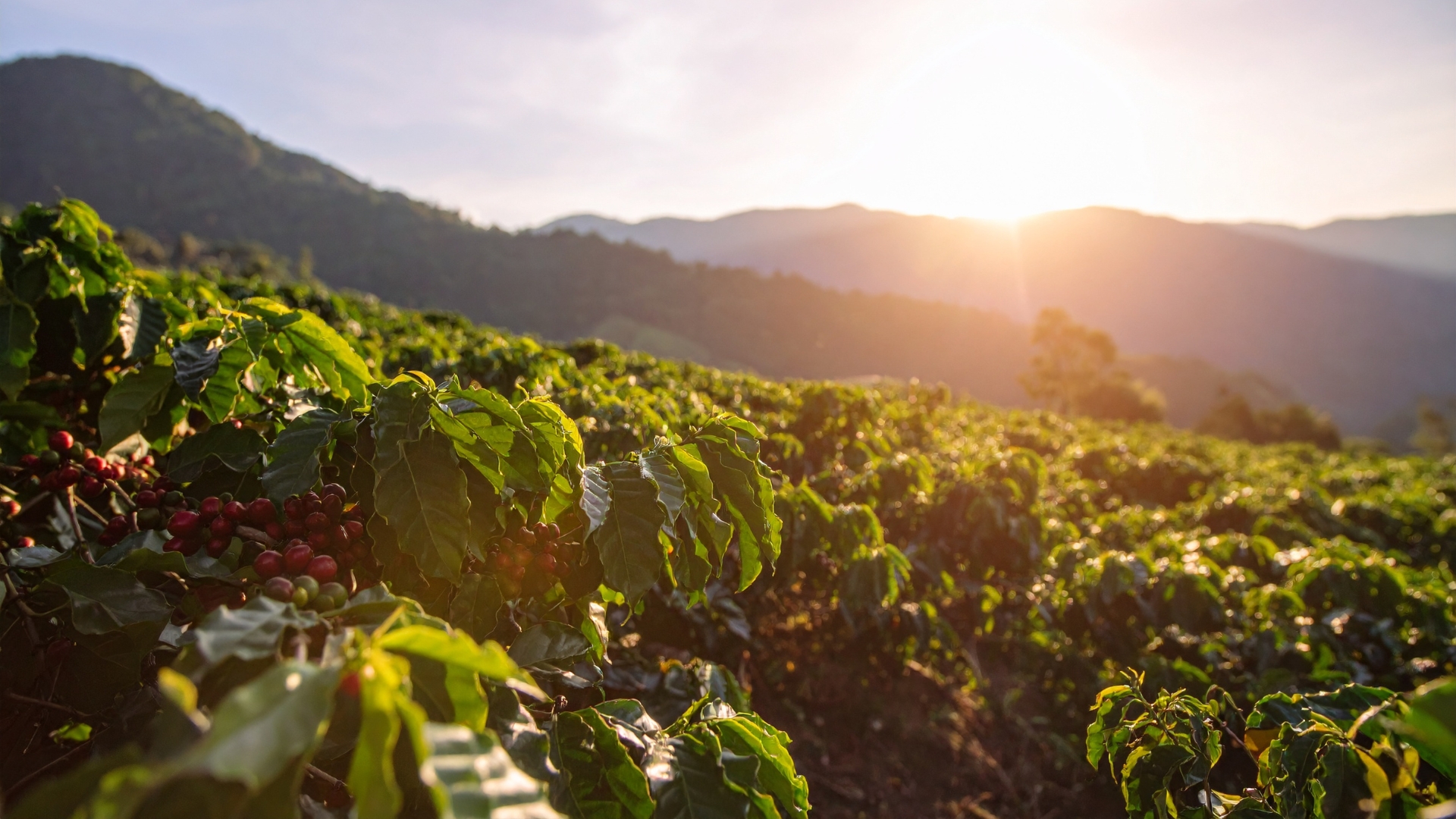
Specialty coffee in Ecuador
Grown at high altitude, hand-harvested and roasted on the farm: the unique character of the Ecuadorian Andes.
Read more