
Specialty coffee vs. commercial coffee
The real differences that do affect the flavor: selection, traceability, roasting, and cup result.
Read more

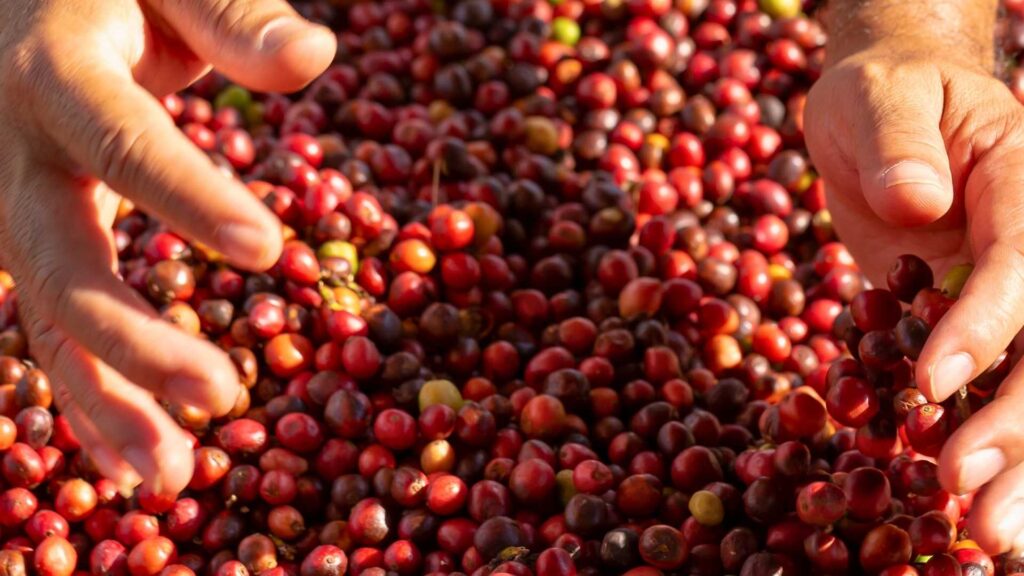
The term "specialty coffee" is being used more and more, but most people don't know what it really means.
It's not a fad or a marketing label. It's a technical standard that defines quality.
If you don't understand this, you can't tell the difference between a good coffee and an ordinary one. And worse: you might be paying more without knowing why.
Specialty coffee is coffee that obtains more than 80 points out of 100 in an evaluation carried out under the standards of the Specialty Coffee Association (SCA).
This assessment analyzes factors such as aroma, flavor, acidity, body, balance, uniformity, and cup cleanliness. It is not an opinion: it is a technical, measurable and repeatable system.
It doesn't mean "premium" or "gourmet". A specialty coffee meets three clear conditions:
You can find out where it comes from, who produced it, and under what conditions it was grown.
From farm to cup, every step counts:
If a stage fails, the cup result is lost.
Result: flat, bitter and inconsistent flavor.
Result: clean, recognizable and consistent flavor.
If you want to delve deeper into this context, check out the guide to specialty coffee in Ecuador.
It's not about the brand. It's about the process. Specialty coffee involves:
Less is being produced, but it's better. That's why the price is going up.
This is where most fail. It's not enough to just say it on the label. It must include:
If it doesn't have this, it's probably not specialty coffee.
A well-processed coffee from origin can show notes of chocolate, fruit or flowers, maintains consistency between batches and has identity.
In areas such as Napo, Ecuador, These conditions allow for the production of coffees with defined profiles when the process is properly controlled. In projects where work is done on the farm, such as in The Cabin, This control allows for maintaining real quality and complete traceability.
Thinking that all coffee tastes the same. That happens when you've only ever tasted commercial coffee.
Specialty coffee isn't about intensity. It's about clarity.
Not all specialty coffees are the same. The choice depends on the profile you're looking for.
A balanced, chocolatey profile that's easier to enjoy. A good starting point for getting into specialty coffee.
Floral and delicate profiles that offer a distinct experience, with greater aromatic expression in the cup.
Tell us how you prepare and the type of profile you prefer. We'll guide you with specific options based on your method and preferences.
WhatsApp consultation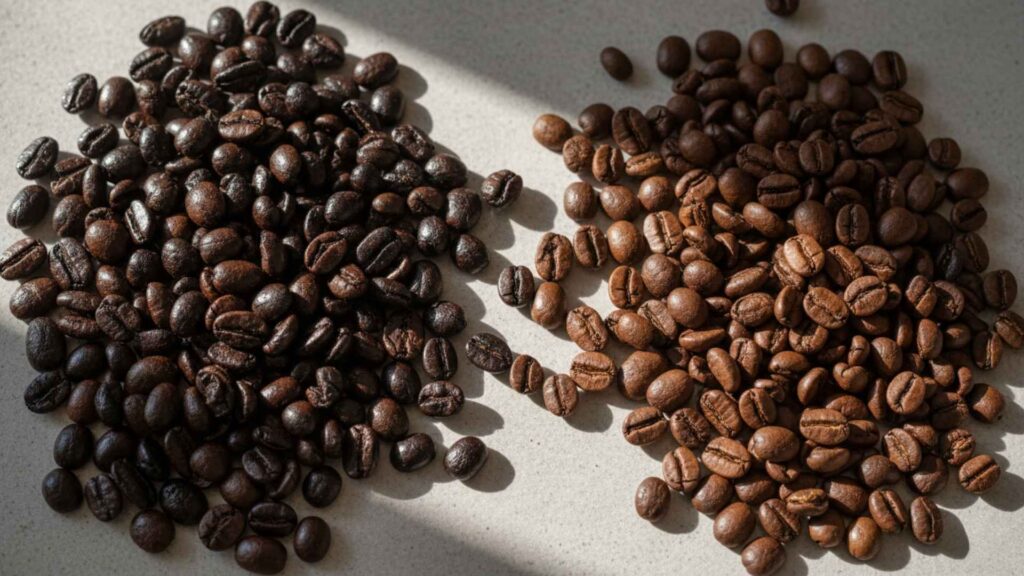
The real differences that do affect the flavor: selection, traceability, roasting, and cup result.
Read more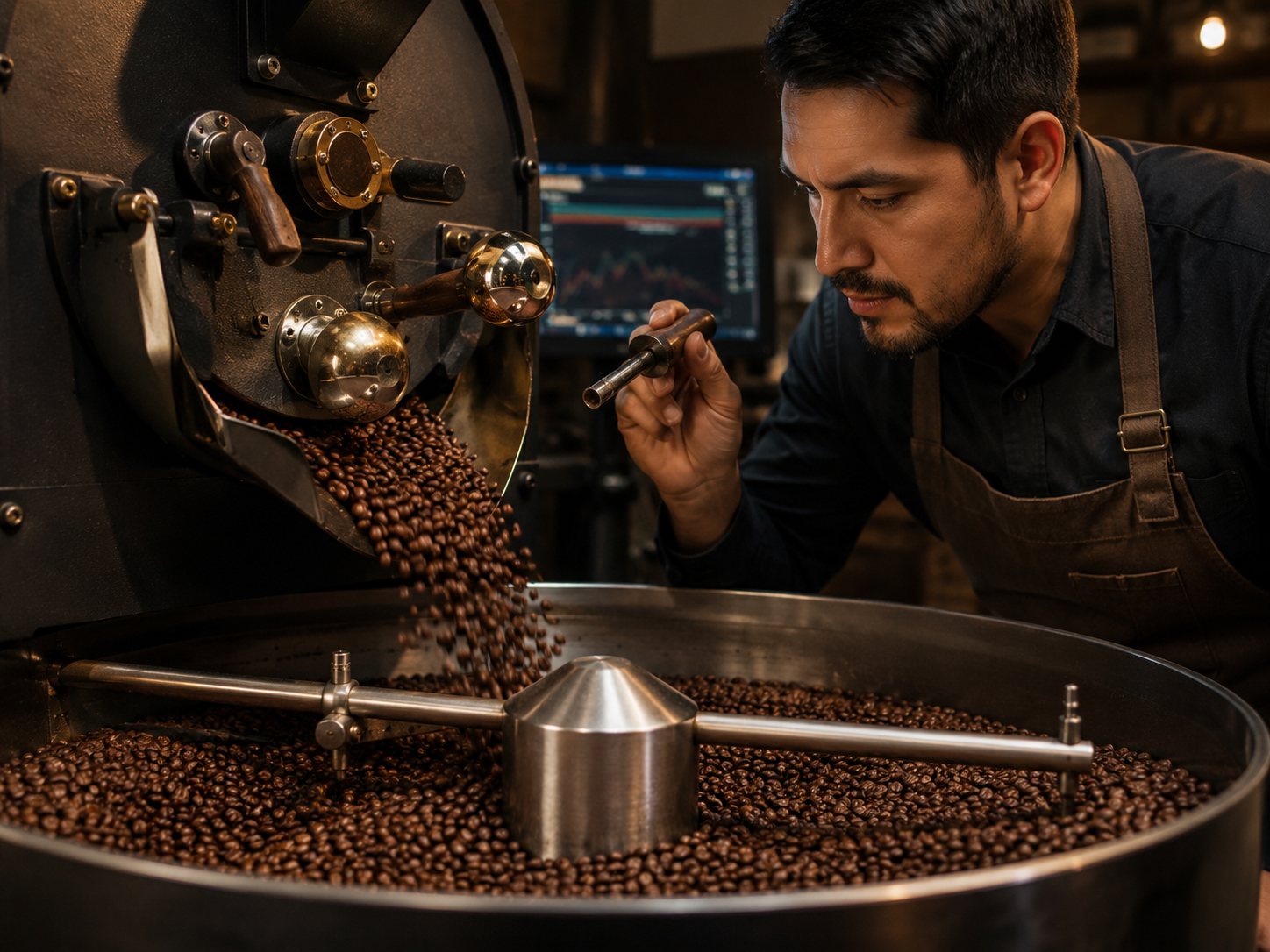
From light to medium roast: how each decision in the roaster reveals—or hides—the natural notes of the bean.
Read more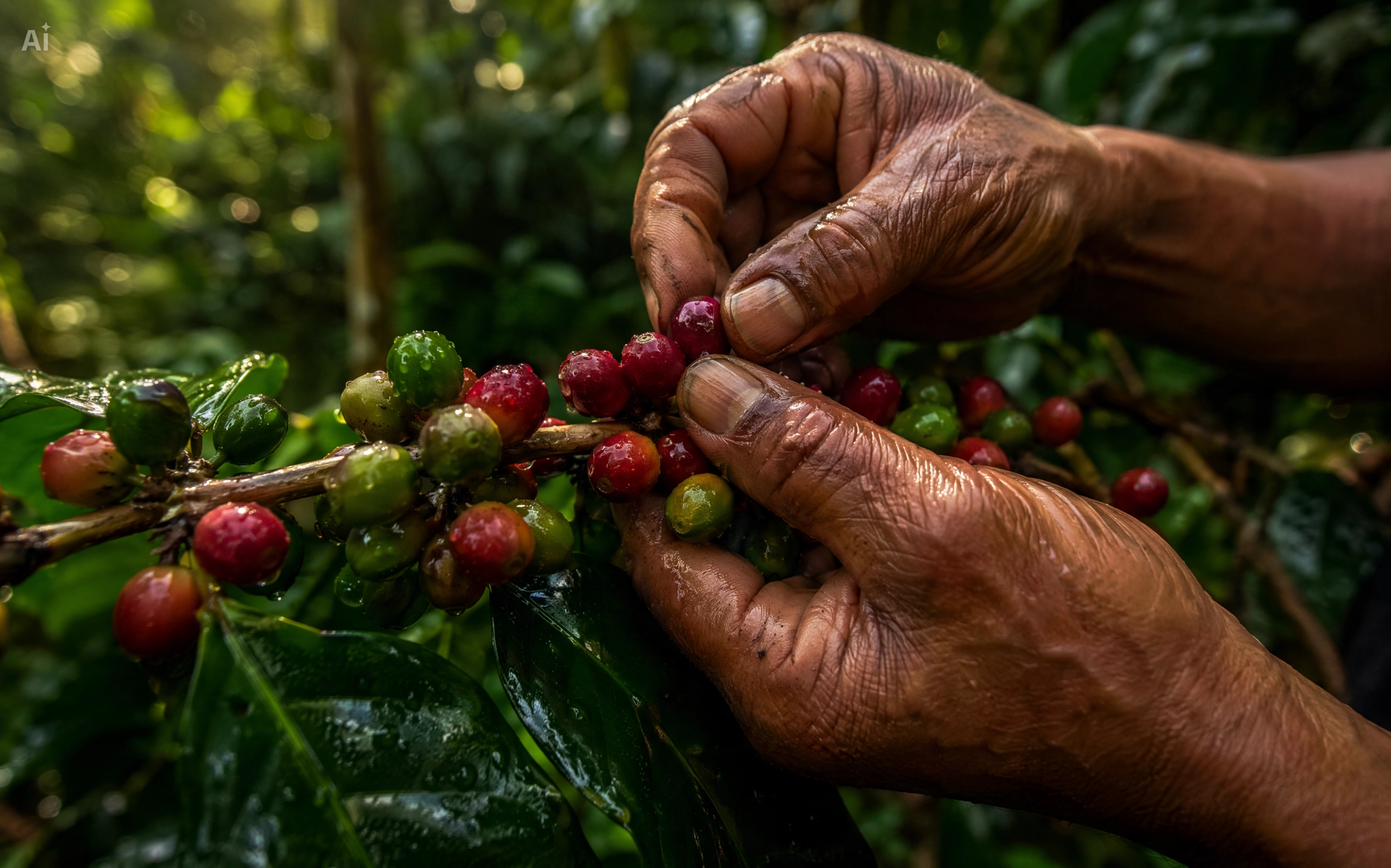
Floral and delicate versus chocolatey and balanced. We help you choose according to your taste and the time of day.
Read more